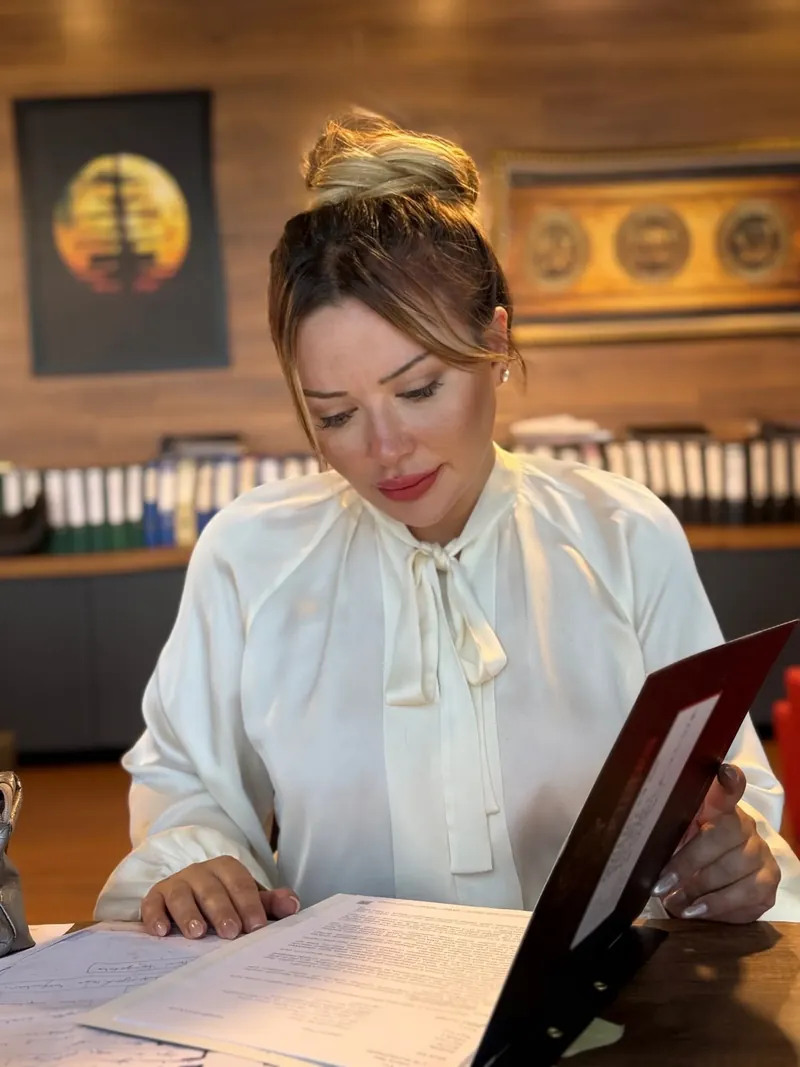
IT & Cyber Lawyer in Ankara
From account takeovers and online fraud to access blocking, social media violations and e-commerce disputes, we protect your rights in the digital world.
- Ankara Bar AssociationReg. No 22761
- CybercrimeRepresenting victims and suspects
- Access BlockingThe judge decides within 24 hours
- For content violating personal rights, the criminal judgeship of peace decides within 24 hours.
- Fraud committed through information systems is punished more severely as aggravated fraud.
- Those who let fraudsters use their accounts are also liable; Act No. 7589 introduced a reduction by half.
- The restriction on social network services for children under 15 entered into force on 1 November 2026.
What Does an IT & Cyber Lawyer Do?
Hijacked social media accounts, online fraud, misuse of bank cards and posts that damage personal rights have become part of everyday life. Because evidence can disappear quickly and identifying perpetrators requires technical knowledge, IT law is a field of its own.
Our firm provides legal support to victims and suspects in cybercrime cases, in removing online content and blocking access, and in e-commerce and software contracts. Correctly identifying and preserving digital evidence is our priority from the very start. Foreigners in Turkey who fall victim to online fraud can work with us in English.
Cybercrimes and Penalties
The Turkish Penal Code regulates crimes in the IT field in a separate section. The main ones are unlawfully accessing an information system, disrupting a system or altering data, and misusing another person's bank or credit cards. Fraud committed using information systems as a tool is punished more severely as aggravated fraud.
Act No. 7589 of 31 July 2026 introduced a new rule for people who let fraudsters use their bank account or card: their sentence is reduced by half, but those who planned the crime and those who obtained the main benefit cannot benefit from this reduction. It should be remembered that people who let others use their account also bear criminal liability.
| Crime | Legal Basis | Example |
|---|---|---|
| Accessing an information system | TPC Art. 243 | Logging into someone else's email or social media account without permission |
| Blocking or disrupting a system, altering data | TPC Art. 244 | Deleting data on a server, installing malware on a system |
| Misuse of bank or credit cards | TPC Art. 245 | Shopping with stolen card details |
| Aggravated fraud through information systems | TPC Art. 158/1-f | Collecting payment through a fake website or message |
| Unlawfully obtaining personal data | TPC Art. 136 | Unlawfully disseminating another person's personal data |
Content Removal and Access Blocking
If you encounter online content that damages your personal rights, you can apply to the criminal judgeship of peace under Article 9 of Act No. 5651 to have the content removed or access to it blocked. The judge decides within twenty-four hours at the latest, and the decision is implemented within four hours. For content violating the privacy of private life, there is also an application route under Article 9/A.
An access-blocking request must list the URL of each item of content separately and clearly set out the violation. Act No. 7578, published on 1 May 2026, introduced new obligations for social network providers: platforms with more than ten million daily users must prevent previously removed content from being republished and implement urgent decisions within one hour.
- 1Preserving EvidenceScreenshots and the URL of the content are saved; if necessary, a notary or e-evidence report is obtained.
- 2ApplicationAn application is made to the criminal judgeship of peace with the URLs and the grounds of the violation.
- 3Decision (24 Hours)The judge decides within twenty-four hours at the latest.
- 4ImplementationThe decision is implemented by the relevant authorities within four hours.
Social Media Disputes
Insults, threats, blackmail and posts about private life on social media give rise to both criminal and civil liability. Insulting someone publicly on social media is an aggravating circumstance. Sharing a person's photos or videos without consent may constitute the crime of violating the privacy of private life.
New types of violation, such as AI-generated fake images and audio recordings, are also assessed under existing provisions. The victim can file a criminal complaint, seek access blocking to remove the content and sue for non-pecuniary damages. Using these three routes together and in the right order is important.
- Keep a screenshot of the post with the date and URL.
- Record the account details (username, profile link).
- Mind the complaint deadline: for offences prosecuted on complaint, it is six months from becoming aware.
- Do not argue with the other party; do not delete messages that may serve as evidence.
Recent Developments in IT Law
IT law is one of the most frequently changing fields as it tries to keep up with technology. In 2026, important rules on both online content and fraud offences came into force.
Below we summarise the developments that matter most to our clients. We update this section as new rules come into force.
- In forceSocial Network Restriction for Under-15sAct No. 7578 requires social network providers not to serve children under 15, to verify age and to provide parental control tools; the provisions entered into force on 1 November 2026.
- In forceNew Sanctions for PlatformsSocial network providers that fail to meet their obligations may face gradual sanctions such as advertising bans and bandwidth throttling.
- In forceLending One's IBAN (TPC Art. 158/4)Act No. 7589 introduced a sentence reduction by half for those who let fraudsters use their accounts; those who planned the crime are excluded.
Frequently Asked Questions
My Social Media Account Was Hacked. What Should I Do?
First, follow the platform's account recovery steps and change your passwords. You can then file a complaint with the Chief Public Prosecutor's Office, together with screenshots and login records. Accessing an account without permission is a crime under TPC Art. 243.
How Can I Get a Post About Me Removed?
For content violating your personal rights, you can apply to the criminal judgeship of peace for the content to be removed or access to be blocked. The judge decides within twenty-four hours, and the decision is implemented within four hours.
Can I Get My Money Back After Online Fraud?
Contact your bank without delay to ask for the transaction to be stopped, and file a complaint with the prosecutor. It is possible to have injunctions placed on the accounts the money was transferred to and to claim compensation from the perpetrators.
I Let Someone Use My Account. Am I Liable?
Yes. People who let their bank account or card be used for fraud also bear criminal liability. Act No. 7589 provides a sentence reduction by half for them; however, those who planned the crime cannot benefit from it.
I Was Insulted on Social Media. What Is the Complaint Deadline?
Insult is an offence prosecuted on complaint, and the complaint must be filed within six months of learning of the act and the perpetrator. A claim for non-pecuniary damages can also be filed for the same post.
Is a Screenshot Accepted as Evidence?
Screenshots are treated as prima facie evidence. To strengthen them, the URL, date and account details should be visible, and where necessary the content should be recorded by a notary or through e-evidence.

Practising law in Ankara since 2011. Founding Member and Vice President of the Ankara Bar Association's Gelincik Centre; graduate of Başkent University Faculty of Law.
Related Calculators
Related Articles
The information on this page is general information and does not replace a legal assessment of your specific case.